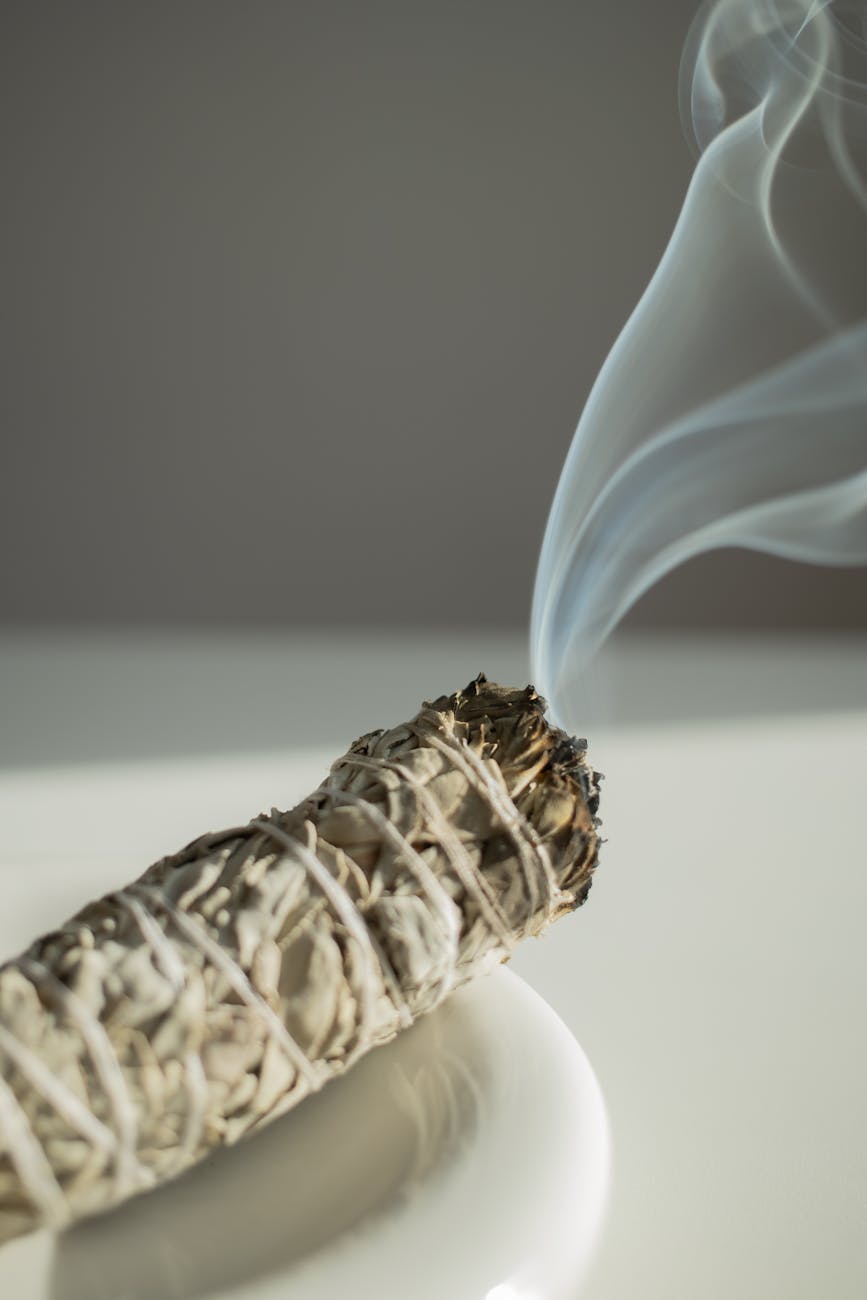
I’m a big believer in finding your mindfulness wherever you are. I feel like you don’t need a dedicated place. However, it never hurts to have a place, and some people need to have that to connect with themselves.
So here are some ideas to help create a meditation space in your home—a dedicated sanctuary where you can retreat to recharge and reconnect with yourself. Here’s how to get started:
Choose the Right Location
Select a quiet and peaceful area in your home where you can meditate without distractions. This could be a spare room, a cozy corner in your bedroom, or even a spot in your backyard. The key is to find a space that feels comfortable and inviting. You want it to be somewhere you can feel in touch with yourself.
Clear the Clutter
Decluttering your chosen space is essential for creating a calm and serene atmosphere. Remove any unnecessary items and organize the space to promote a sense of openness and tranquility. Consider incorporating storage solutions to keep your meditation area neat.
Set the Mood with Lighting
Lighting plays a crucial role in setting the mood for meditation. Opt for soft, diffused lighting that creates a warm and inviting ambiance. You can achieve this with candles, string lights, or dimmable lamps. Natural light is also ideal, so position your meditation space near a window. I am a huge fan of having a spot outside in nature where I don’t have anything but natural lighting.
Add Comfortable Seating
Choose comfortable seating options that support good posture and allow you to relax fully during meditation. This could be a cushioned meditation cushion, a cozy chair, or a soft rug where you can sit comfortably on the floor. Experiment with different seating arrangements to find what works best for you. Whenever possible, I either sit in the grass, with my back against a tree (or wall), or where I can slip my shoes off and have my feet in the grass (or dirt).
Personalize Your Space
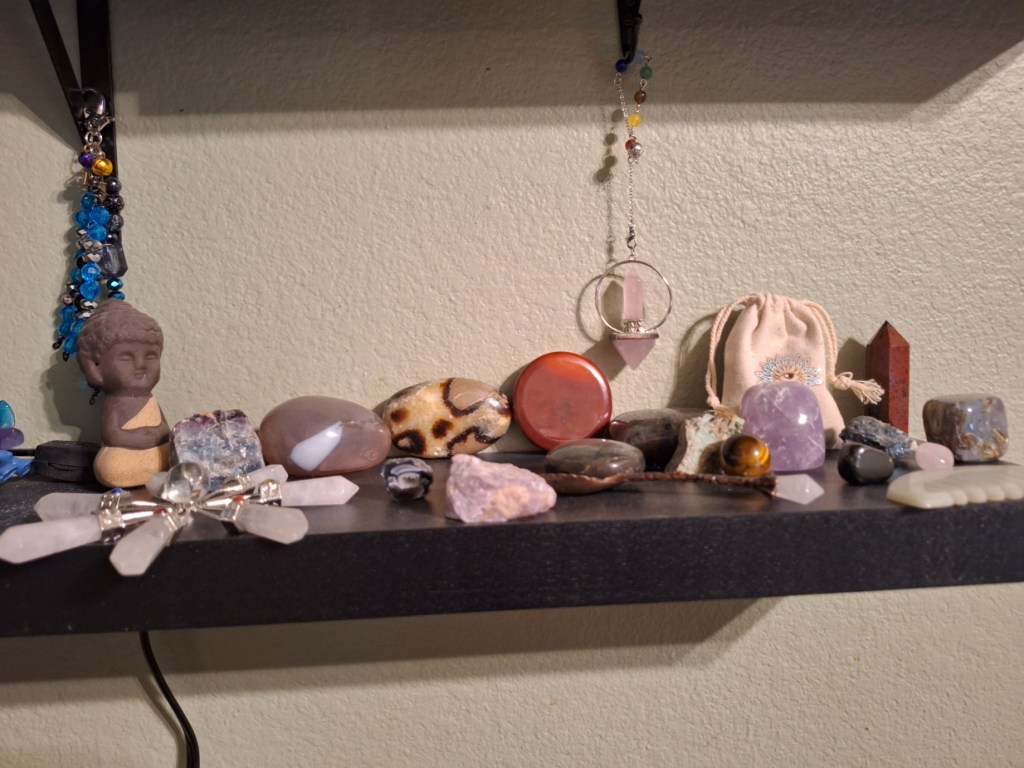
Infuse your meditation space with elements that resonate with you. This could include meaningful artwork, inspirational quotes, or objects from nature. Surround yourself with items that bring you joy and create a sense of serenity. I have my crystals available when I’m looking for a longer session.
Incorporate Sensory Elements
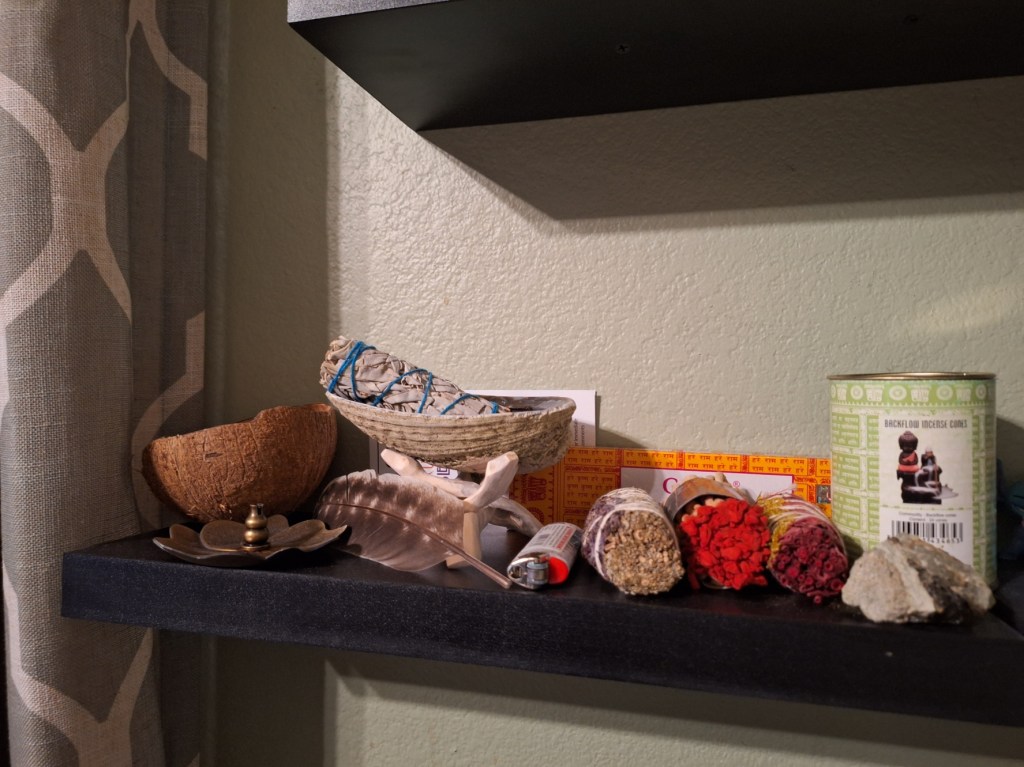
Engage your senses to enhance your meditation experience. Consider adding soothing sounds, such as nature sounds or gentle music, to create a calming auditory backdrop. You can also introduce aromatherapy with essential oils or incense to evoke a sense of relaxation and tranquility. I often burn my sage or incense before (or during) my longer sessions.
Establish a Regular Practice
Dedicate daily time to practice meditation in your designated space. Consider making it a part of your morning or bedtime routine. Whether it’s a few minutes of deep breathing or a longer meditation session, consistency is key. Make your meditation space a sacred ritual that you look forward to returning to each day. Part of what I’m trying to share with my followers is taking a mindful moment. You don’t need a whole session to recharge. Take a moment to ground yourself in the present moment.
By following these steps, you can create a meditation space in your home that serves as a sanctuary for relaxation, reflection, and inner peace. Remember that your meditation space is a reflection of your unique journey, so feel free to experiment and customize it to suit your needs and preferences. Embrace the opportunity to cultivate mindfulness and self-care within the comfort of your own home. Be sure to add keeping your space clean and maintained to your routine. That might be weekly sweeping or vacuuming. Or it might include a daily pick up of your sensory items.
Do you have a dedicated meditation spot?

 Emily's Mind Dump Madness
Leave a comment